Deha Pragnya emblem: a meditating figure beneath a lotus, wrapped in flowing colour

Deha Pragnya Healing Center · Biodynamic Craniosacral Therapy and RakkenHo in Bengaluru

Where the body speaks and healing begins

Biodynamic Craniosacral Therapy · RakkenHo · Bengaluru

A subtle therapy for deep alignment of body and mind.

Your body is always speaking. Tension, tiredness, a restless mind: each one is a quiet signal. BCST is the art of listening.

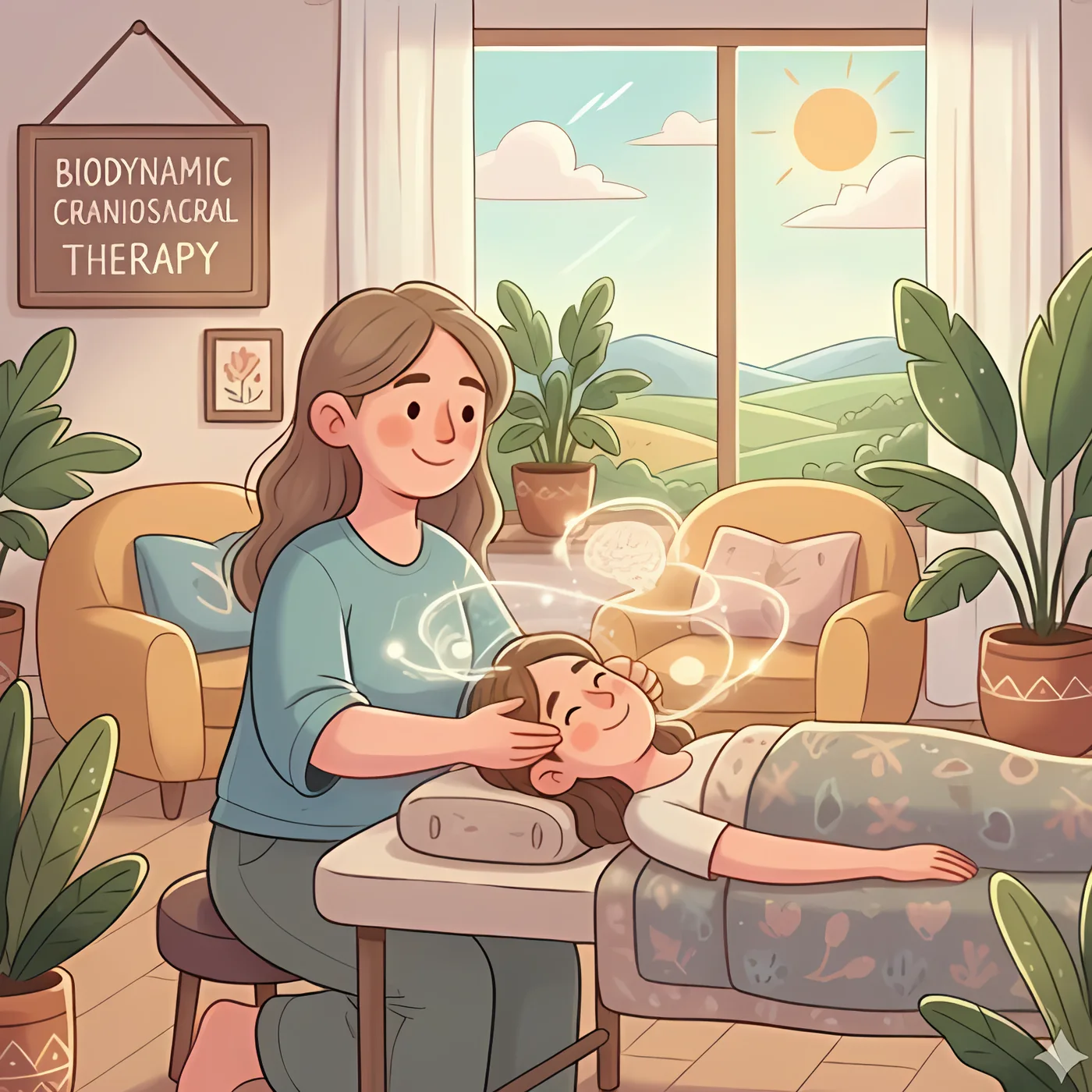
Illustration: a therapist gently cradles a client's head during a calm craniosacral session in a sunny room

Chapter one

What is BCST?

01

A gentle, hands-on approach that works with your body's natural rhythms.

02

It helps release tension, restore balance and support the body's innate ability to heal.

03

No force, no pressure. Just deep listening to your system.

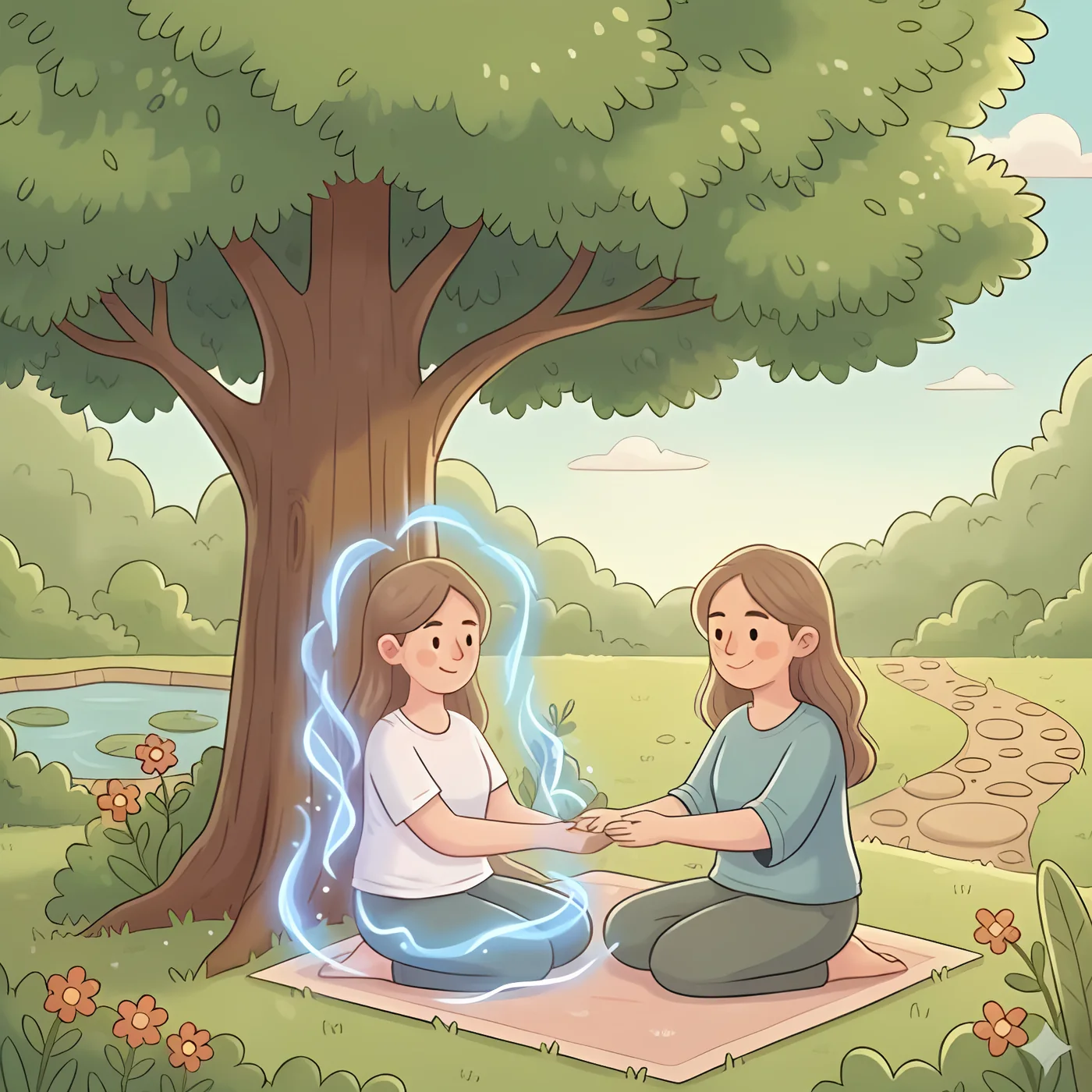
Illustration: two women sit beneath a large tree holding hands, one surrounded by a soft blue glow

Chapter two

Why it's different

BCST works with the whole person, not just symptoms.

It's gentle, yet deeply effective.

Encouraging long-term wellbeing, without force or pressure.

  • Whole person
  • Gentle
  • Long-term

Where it comes from

A century of listening

  1. 1899

    A question about the skull

    While studying osteopathy, William Garner Sutherland noticed the bones of the skull are shaped like fish gills. He wondered if they were built for subtle movement, at a time when most believed they were fused.

  2. 1930s–40s

    Primary respiration

    Over decades of careful listening, Sutherland described a slow, rhythmic motion moving through the body's tissues and fluids. Early cranial practitioners likened its ebb and flow to the ocean and called it "the Tide".

  3. Later years

    The Breath of Life

    Sutherland moved away from technique and force altogether. He favoured a still, neutral presence, trusting what he called the Breath of Life to lead healing from within.

  4. 1953 →

    The biodynamic approach

    His students carried the work forward through the Sutherland Cranial Teaching Foundation. Osteopath Rollin Becker gave us the word biodynamic, and Franklyn Sills shaped Biodynamic Craniosacral Therapy as it is taught today.

  5. Today

    A practice of presence

    BCST practitioners train for around two years in supervised foundation programmes, learning to follow, never force, the body's own rhythms.

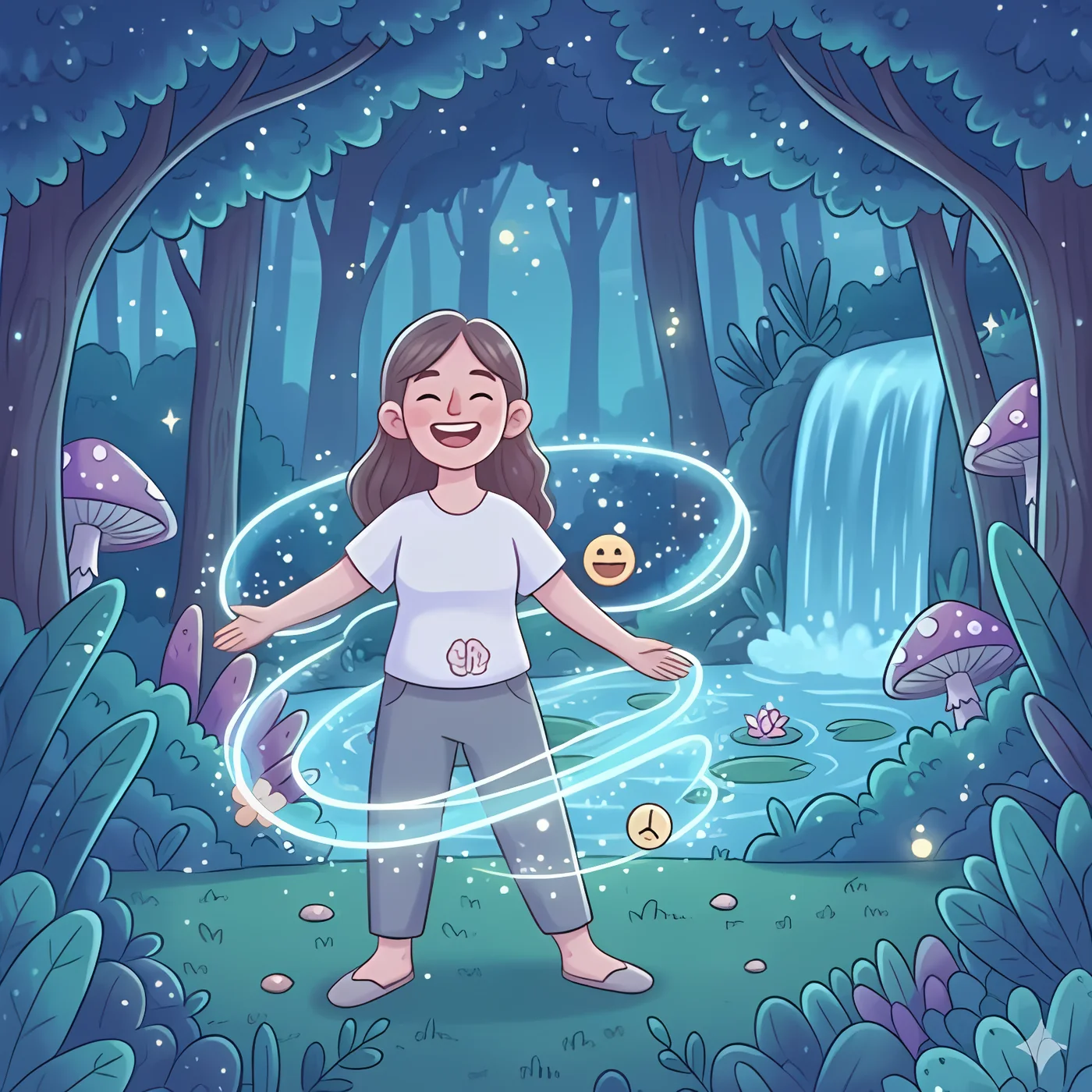
Illustration: a joyful woman stands in a glowing night forest by a waterfall, ribbons of light around her

Chapter three

What people come to us for

Clients often seek BCST for support with:

  • Stress, anxiety & emotional overwhelm
  • Chronic pain, migraines & headaches
  • Neck, back & joint discomfort
  • Sleep disturbances
  • Recovery after injury or surgery
  • Nervous system regulation
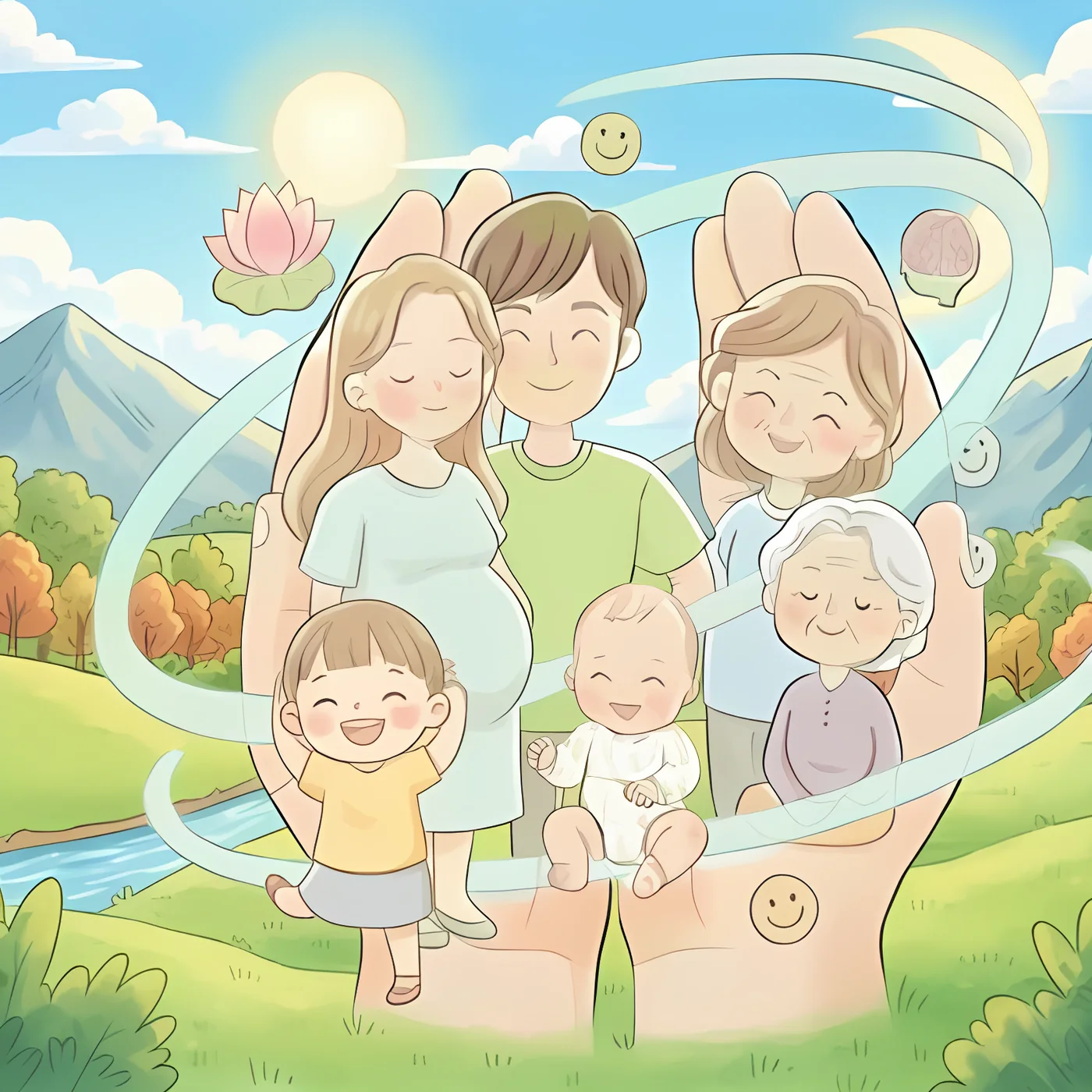
Illustration: a multi-generational family, from a newborn to a grandmother, held in a pair of open hands

Chapter four

Who can take BCST?

It is safe and beneficial for all ages.

01

Newborns & babies

Light, quiet contact suited to the smallest bodies.

02

Children & teens

A calm space to settle through busy, growing years.

03

Adults & seniors

Gentle support at every stage of life.

04

Pregnant & postpartum mothers

Nurturing care before and after birth.

Your first visit

What a session feels like

  1. 1

    Arrive & share

    Your first visit begins with a short health history and an unhurried chat about what brings you here.

  2. 2

    Rest, fully clothed

    You lie comfortably on a padded table with pillows and a blanket. No oils, no undressing.

  3. 3

    Gentle, still touch

    Light contact, often at the feet, head or base of the spine. No need to talk, and many people drift off to sleep.

  4. 4

    Integrate

    Time to rest before you leave. People often describe feeling calm, spacious and grounded.

  • 50–60 minper session
  • Your paceno fixed number of sessions
  • By appointmentcall or WhatsApp

Also at Deha Pragnya

RakkenHo

A traditional Japanese healing technique in which the practitioner uses gentle, mindful foot pressure to encourage the body's natural energy flow and circulation, support the lymphatic system, and release deep physical and emotional stress.

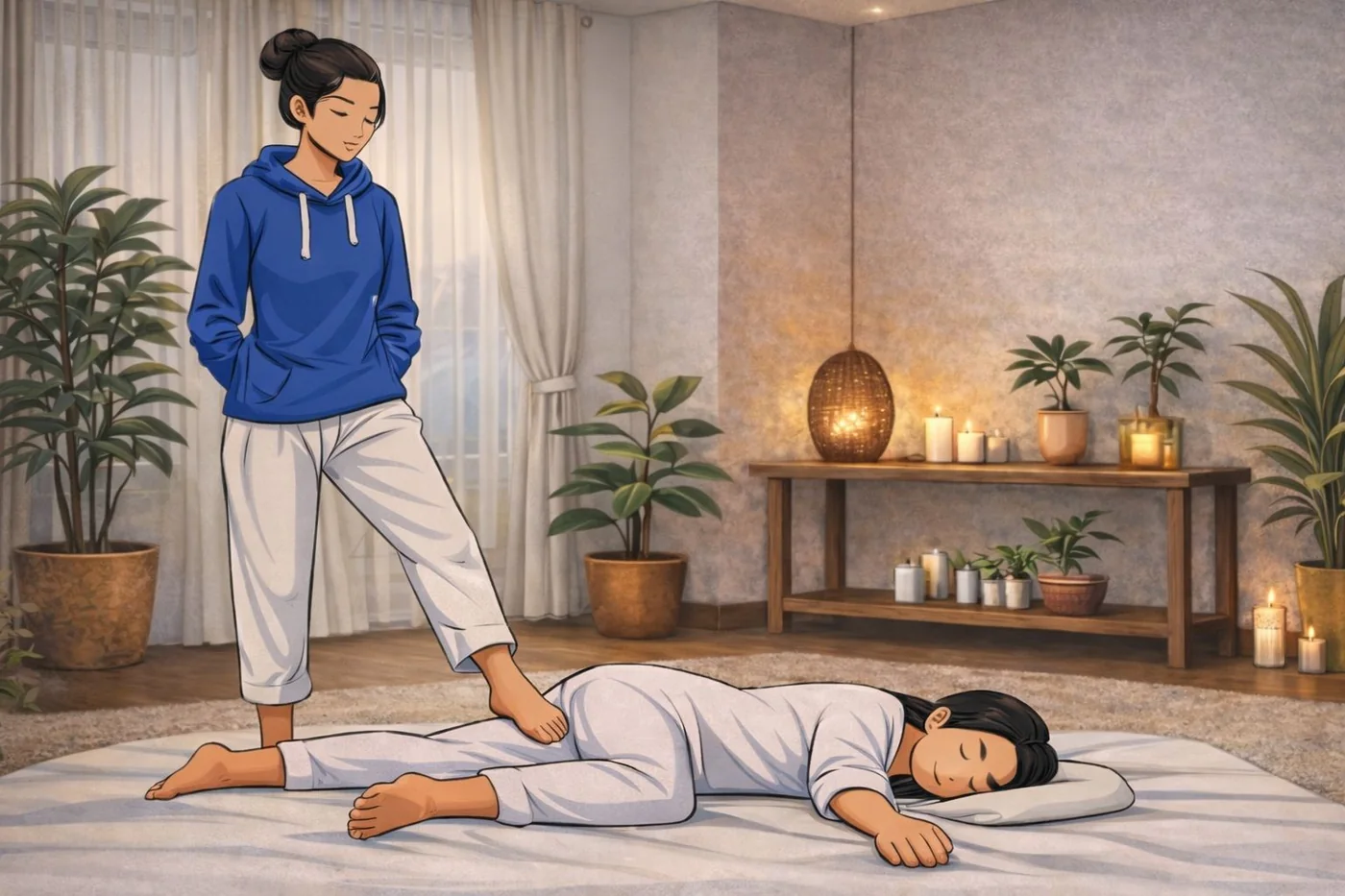
Illustration: a practitioner gently applies foot pressure to the legs of a client resting on a mat in a calm, candle-lit room

Who can take RakkenHo?

RakkenHo suits adults looking for a natural, non-invasive way to relax the body, release stiffness and support overall wellbeing, especially when living with physical tension, stress, tiredness, poor sleep or general body discomfort.

What people come to RakkenHo for

  • Body stiffness & muscular tightness
  • Back, neck & shoulder pain
  • Stress & nervous-system tension
  • Fatigue & low energy
  • Poor circulation
  • Sleep disturbances
  • Stress-related digestive discomfort
  • Reduced flexibility & posture-related discomfort

How it can help

  • Deeper sleep & renewed energy

    Helps the nervous system relax and settle into the body's natural rhythm.

  • Inner resilience

    Encourages circulation and energy flow, so many people feel stronger and steadier.

  • Relief from tension

    Releases muscular tightness and eases everyday fatigue and aches.

  • Emotional balance

    A calmer, steadier mood as deep stress is gently released.

  • Lightness & flow

    Gentle pressure supports lymphatic flow, and many people leave feeling lighter and refreshed.

Your space

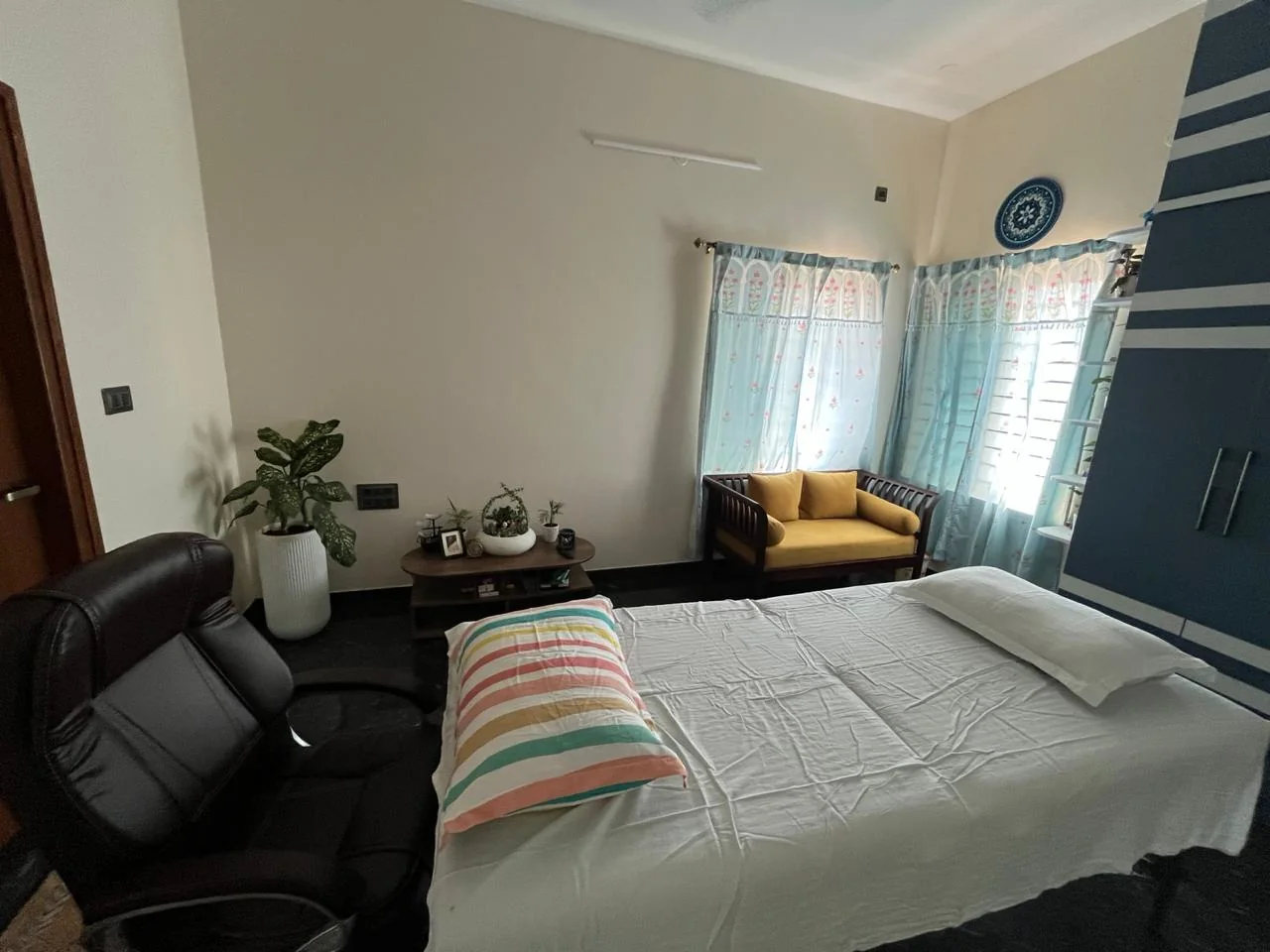
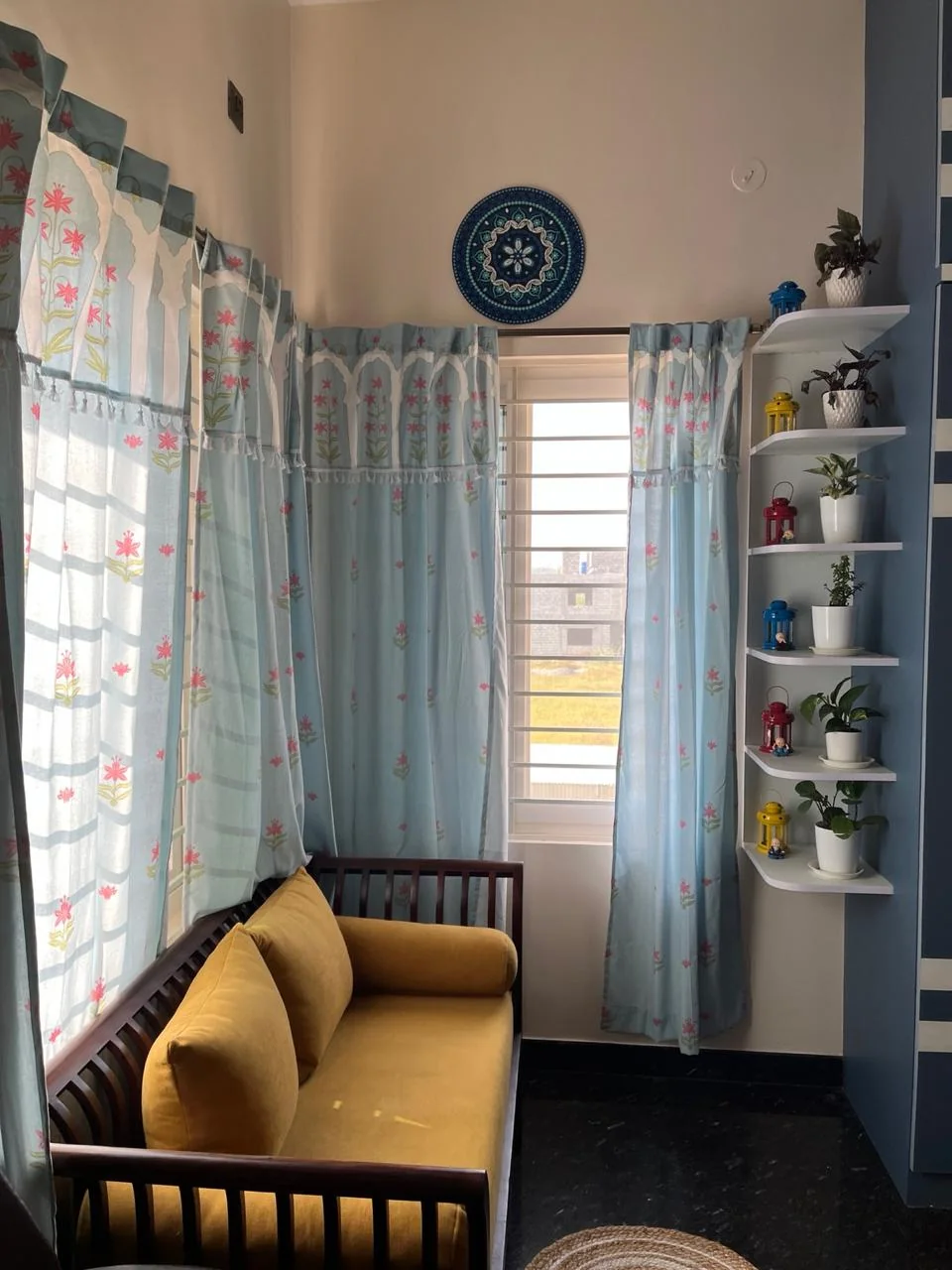
A quiet, light-filled room in Niharika's home studio in Kuthaganahalli: soft daylight, plants and a comfortable treatment table.

The treatment room: a padded treatment table with white linen, a yellow sofa by sunlit blue curtains, and potted plants
The treatment room
A calm corner with a mustard-yellow sofa, floral blue curtains and shelves of plants and small lanterns
A calm corner to settle in before and after your session

Kind words

What clients feel

Google Reviews 5.0 Based on 5 reviews
Hema Y.Local Guide

I have taken RakkenHo healing session from Niharika and it was great. First, she explained the whole process and created calm and familiar environment. Therapy was amazing. I felt the positive aura around me. I felt relaxed after the therapy and had a very good sleep after many months. My hand grip has also improved as I used to have problem with my grip earlier. The session was great and everything was well taken care of. Thank you so much for the wonderful session, Niharika. I would definitely recommend her for healing sessions.
Shreesha K.Local Guide

I was introduced to Biodynamic Cranio Sacral Therapy (BCST) around a year or two ago, and honestly, I didn’t know what to expect initially. But my sessions with Niharika at Deha Pragnya Healing Center have been incredibly beneficial and truly transformative. Niharika creates a very safe, calming, and intuitive space during the sessions alongside her grounded presence. Her approach is very gentle, patient, and deeply attentive. Each session left me feeling lighter, more balanced, and more connected to my body. The changes are subtle but real—you start noticing shifts in how your body feels and responds. […]

This is not a quick-fix therapy—it’s a gentle, profound process that allows your body to heal in its own way. […]

If you’re looking for something beyond conventional therapies and want a deeper, more holistic healing experience, I would definitely recommend visiting Deha Pragnya.

Pooja B. S.

Niharika has a truly intuitive touch, and I felt a deep sense of calm and release almost immediately during our session. The environment she creates is incredibly supportive, allowing my nervous system to settle and process tension in a way I haven't experienced before. I highly recommend her craniosacral therapy for anyone seeking a gentle yet profound approach to healing and overall well-being.

Saranya P.Local Guide

I've taken multiple Bcst sessions with Niharika. She is gentle and very effective. I've had the most relaxing sessions with her. My body feels re energised after the sessions. She's a great listener, has magical hands that can help in healing. Her space is wonderful and calming too.

Sumit K. J.Local Guide

I have taken multiple Craniosacral Therapy from Niharika. It has been a wonderful experience getting sessions from her. She is very professional and listens to the client attentively. Her therapy is gentle yet very powerful. I have noticed immense difference in my overall well being. My sleep became better, my nervous system felt calm, my body aches disappeared. after each session I felt close to myself.

Read all reviews on Google Had a session? Leave a review →

Individual experiences shared on Google; results vary from person to person.

Good to know

Questions people ask

Still curious? Call or message Niharika; she's happy to talk it through.

Is BCST the same as a massage?

No. There is no kneading, stretching or manipulation. Touch is light and still, and the practitioner follows your body's rhythms rather than trying to correct them.

Do I need to undress?

No. You stay fully clothed and lie on a comfortable padded table. Wear something loose and comfortable.

Will I have to talk during the session?

Only as much as you'd like. Many people stay quiet throughout; you're always welcome to share anything that feels important.

Is it normal to fall asleep?

Very. Sessions are slow and spacious, and it's common to drift into a deeply relaxed, sleep-like state.

How many sessions will I need?

It depends on what brings you in and how your system responds. Some people notice a change after one or two sessions; others prefer a short series followed by occasional "tune-ups". We'll talk about what suits you at your first visit.

Is it safe for babies and during pregnancy?

The touch is extremely gentle, and BCST is commonly offered to newborns and to mothers during and after pregnancy. Please tell us if you are pregnant or have a medical condition, and check with your doctor or midwife if you're unsure.

How is BCST different from craniosacral therapy?

Both trace back to Dr William Sutherland's cranial work. Many craniosacral styles use gentle techniques to release specific restrictions; the biodynamic approach emphasises stillness and following the body's own inherent rhythms and priorities.

What's the difference between BCST and RakkenHo?

BCST uses very light, still touch that follows your body's own rhythms, and is gentle enough for newborns, children and pregnancy. RakkenHo is a traditional Japanese technique using mindful foot pressure, for adults who'd like a deeper physical release of stiffness and tension. Not sure which suits you? Niharika will help you choose.

Can I have RakkenHo during pregnancy?

RakkenHo may not be suitable during pregnancy, soon after surgery, or with serious medical conditions unless your doctor advises it. BCST is a gentle alternative that's safe in pregnancy and postpartum.

Does it replace medical treatment?

No. BCST is a complementary therapy that works alongside, not instead of, the care you receive from your doctor or other healthcare professionals.

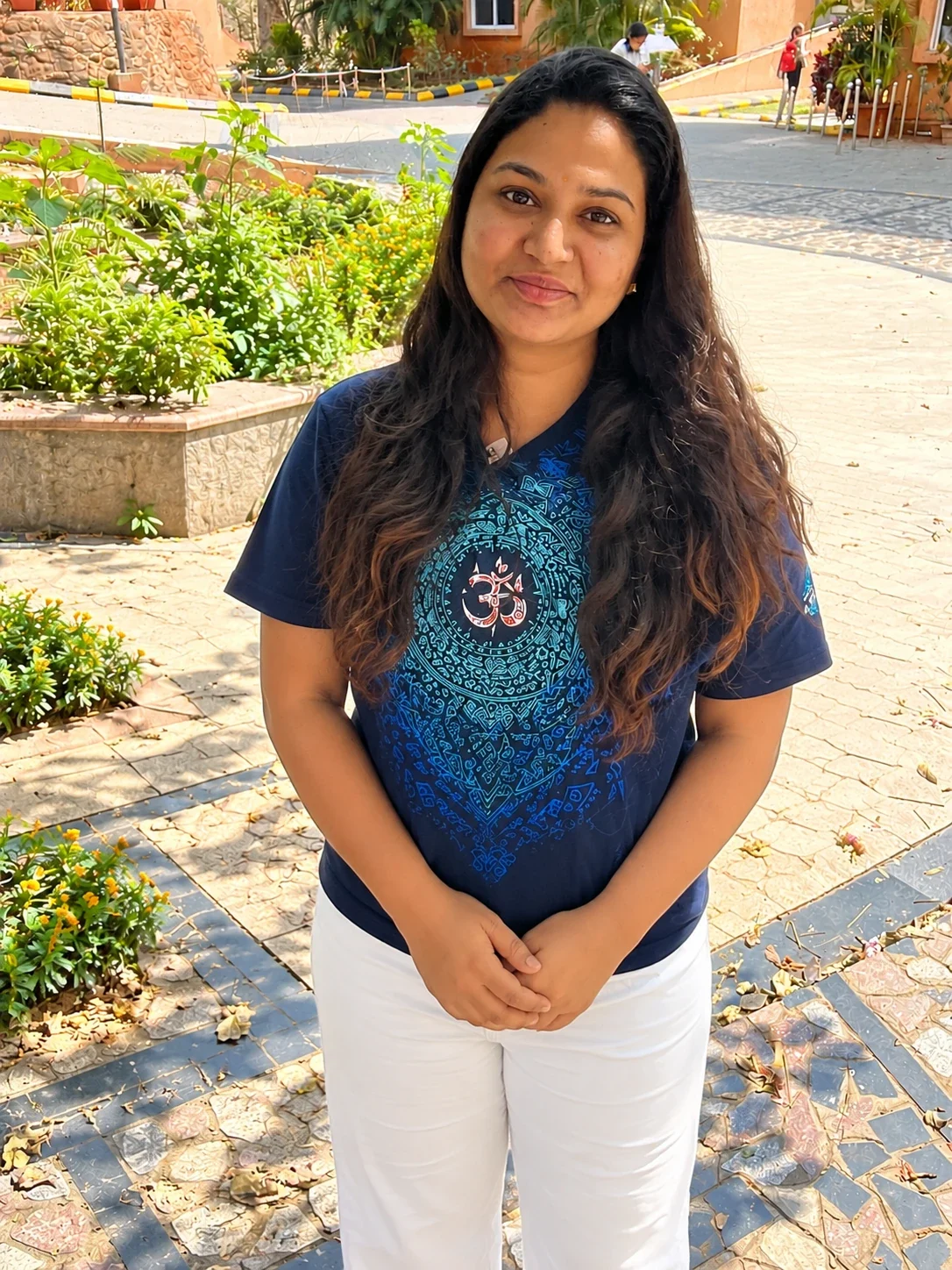
Niharika, founder of Deha Pragnya Healing Center, standing outdoors in a sunlit garden

Meet your therapist

Niharika

Niharika founded Deha Pragnya Healing Center to offer a quiet, unhurried space where people can rest deeply and reconnect with their body's own wisdom.

  • Diploma in Biodynamic Craniosacral TherapyTwo-year practitioner training · Body Intelligence · 2025
  • Biognosis, Embryological Growth & the HeartPost-graduate course · Sri Sri College of Ayurvedic Science, Bengaluru · 2025
  • RakkenHo Training ProgramSri Sri
Read her story

When you're ready

Begin with a conversation.

Call or message Niharika to ask a question or book your session.

Request a call back

Leave your details and Niharika will call or WhatsApp you, usually the same day.

Interested in
Who is the session for?
Best time to reach you

  • LocationNo 106, Lavender Meadows, Gunjur–Mugalur Rd, Kuthaganahalli, Bengaluru 562125
  • HoursMon–Sat 10 AM – 5 PM
    Sun 10 AM – 3 PM
    By appointment
  • PricingPlease call for details